Where it started
I became a full time professional photographer in 2000. In 1999, I worked seven days a week (for a year,) five of them managing and purchasing and writing the wine list for a wine tasting bar in Laguna Beach, back when Laguna was still mostly family owned stores and restaurants, before the chains moved in. I had just finished an Art and Photography degree at UCI on a full scholarship, graduated with honors, and asked two of my professors, Catherine Opie and Dennis Keely, both heavyweights in the photography world, how I should start a career my career as a photogeapher.
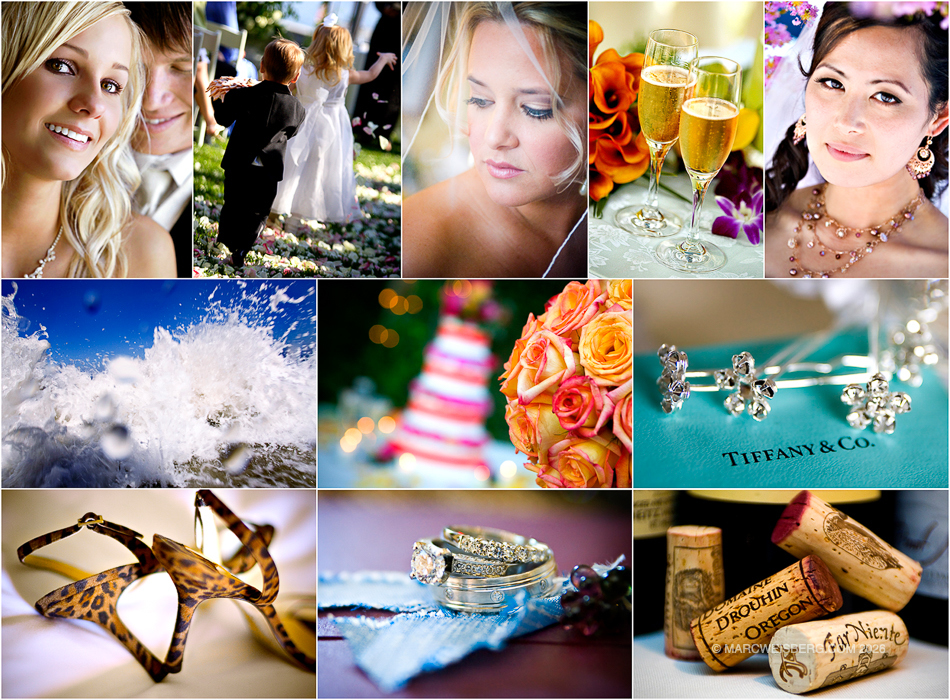
For a few years I photographed yacht weddings in Newport Harbor, sometimes four in a single weekend, Friday through Sunday. I started with a few rolls of film, handing the couple the unprocessed film to deal with themselves. Then digital arrived, and working those yacht interiors taught me how to read light fast, using strobe to balance dark cabins against blown out exterior windows. My first digital body was the Canon EOS 1D. It had a rough cyan cast and wicked 1/500th sync speed, and I shot on 500mb cards because losing a whole card of images terrified me.
Over the next eight years I built that into a business charging $5,000 to $15,000 a wedding, nationally and internationally, photographing more than 700 weddings. Some were small and intimate in someone’s backyard. Others ran $250,000 to over a million dollars with 600 guests. I photographed from San Diego to Laguna Beach, Los Angeles and Napa. A few weddings in Mexico and Stockholm Sweden. It was a blast.
Then those same young couples who got hitched started having kids, and I photographed their newborns, then their family portraits. Now those kids are headed to college, or into the military, some training as fighter pilots.
When everything changed
Around 2016, Canon stopped supporting some of their legacy professional lenses, glass that cost $1,500 to $2,500 a piece. Their answer was simple. We are not making parts anymore, buy something new. That decision pissed me off, and it was the a reality check for me for my loyalty to the system I had built my whole business on. And had over $20k worth of Canon gear. Sony’s E mount mirrorless cameras came along about the same time as Canon was screwing over their loyal pro-photogrphers. I was smitten with the (new to me) mirrorless technology. My friend Paul Gero was a Sony Artisan, and he got me invited into the program. I spent six good years as one of fifty Sony Artisans worldwide. Nothing lasts forever and I was cut from the Artisan roster. Being a Sony Artisan, opened lots of door for me. Gave me a great platform and great visibility, as a photographer, lecturer and educator. I’ll be forever grateful for my time as a Sony Artisan.
Right around that same time, Leica released the SL Typ 601, their first digital mirrorless camera.
I had flirted with an M6 rangefinder back in my film days and never took to it. This was different. The SL was a beast, built like a tank, with a class leading electronic viewfinder that felt like watching a bright, sharp TV screen with real time exposure feedback. I bought it as a personal camera while I was still fully in the Sony ecosystem, with no idea yet that I would eventually go full Leica, personal and professional.
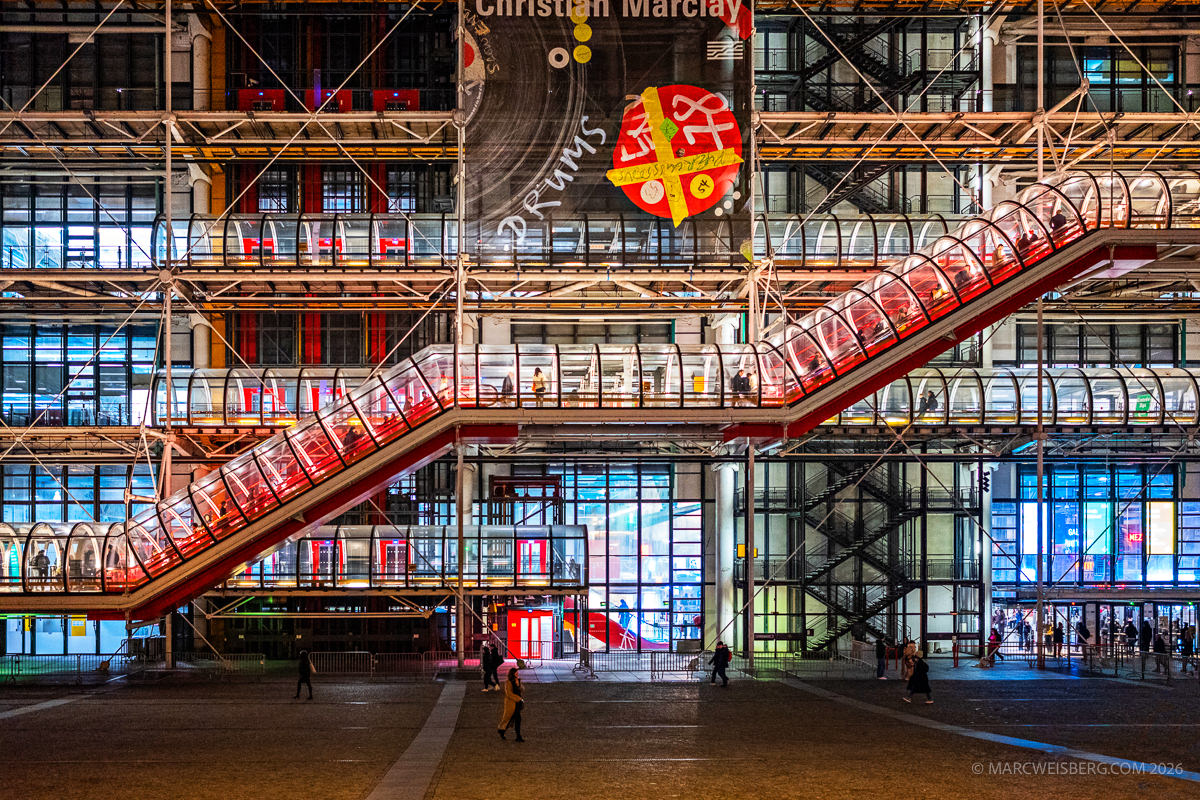
Leica has been manufacturing cameras for a hundred years. Nikon, Canon, and Sony cannot say that.
My kit today
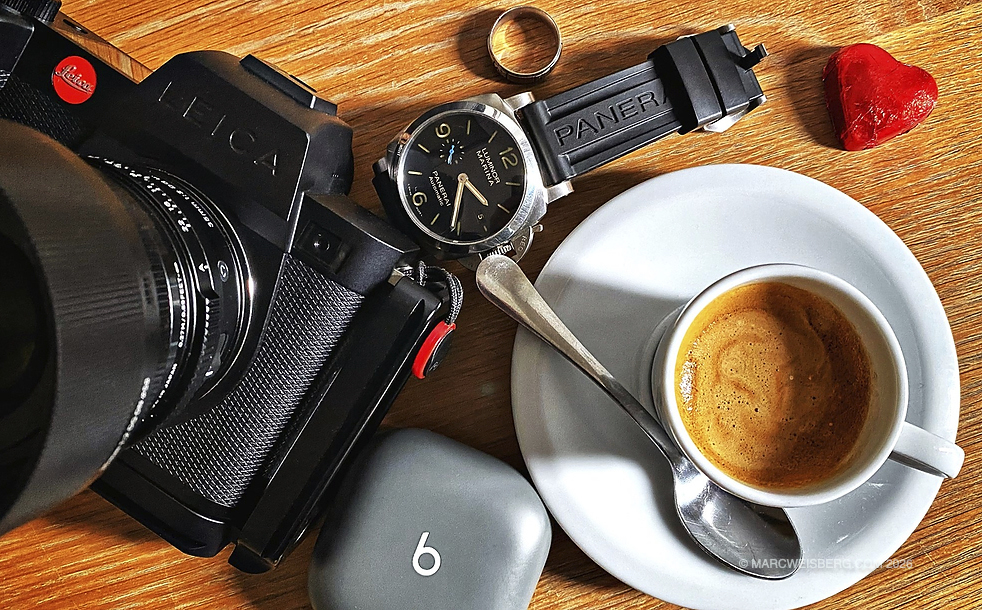
From that first SL, the collection grew. I now shoot two Leica SL2-S bodies, a Leica M11, and a Leica M11 Monochrom, alongside a small selection of Sigma auto focus lenses, manual M glass, Voigtlander and Ziess Zm glass. When i travel I bring along 1-SL2-S, and the two M cameras, in one shoulder bag. It is liberating to travel light, carry a kit with such a small footprint, and have the ability to create world class images with so little gear. Each of those cameras has its own story and earned its own place, which I will get into in the next two posts.
Twenty six years in, having shot with Hasselblads, Canon, Sony, and now Leica, my answer to anyone who asks why Leica? For me it is simple. It is not about specs on a page. Leica makes precision, hand built instruments that stand the test of time, ones I trust and genuinely enjoy using every single time I pick them up. It is a delight, plain and simple. They are also refreshingly simple to use, no fifty page menu system to dig through just to change one setting. It is a system built with a century of intention behind it, and it has quietly become the only kit I want with me anywhere on the planet.
I’m my next articles I’ll talk about why I chose the SL2-S, the M11 and the M11M. ●