The obvious answer first
I own two Leica SL2-S bodies. Ask me why and the honest answer comes first. Professional photographers always need a backup in case something goes wrong. That is simply the job.
But that is where most people stop, and where I want to keep going. The SL2-S is not a spare sitting in a bag waiting for disaster. It is a camera I genuinely want in my hands, one I would choose to shoot with even if nothing ever failed.
How it started
Right around the time Sony cut me from their Artisan program, Leica released the SL Typ 601, their first digital mirrorless camera. I had flirted with an M6 rangefinder back in my film days and didn’t care for it. This was completely different. The SL was a beast, built like a tank, with a class leading electronic viewfinder that felt like watching a bright, sharp television screen.
It was a hybrid body. You could use autofocus lenses from Leica, later Panasonic and Sigma, and use an adapter for M glass. Its real weaknesses were hunting for focus in low light and a ceiling on high ISO performance. I bought it as a personal camera while I was still fully in the Sony ecosystem professionally. I had no idea at that time I would eventually sell all my Sony gear and go full Leica.
Now, years later, the SL2-S is a dramatic improvement on that original Typ 601. The S stands for Speed, though Leica has never given a single definitive answer, so the S could also nod to Sensitivity or even Stealth or Small file sizes. The working answer is Speed, and that improvement starts with autofocus.
What separates the SL2-S from the original
The sensor is completely different. The original SL topped out at ISO 50000. The SL2-S goes to ISO 100000, and it does it with a newly developed backside illuminated sensor built specifically for stronger low light performance. Same 24 megapixel resolution, but the sensor itself is built for a different job. The original SL had no in body image stabilization at all. The SL2-S carries five axis IBIS, roughly five and a half stops of compensation, which is a meaningful gain when you shoot handheld in low light the way I often do.
The original SL’s burst rate was slow and deliberate. The SL2-S shoots up to 9 frames per second with the mechanical shutter and up to 25 frames per second with the electronic shutter, both at full resolution. For architecture work where I need to bracket exposure or catch multiple angles quickly, that speed matters. The button layout shifted from four large unlabeled buttons to a three button layout with a rear joystick and two front custom buttons, with more customization overall. USB switched from Type B to Type C. Both SD card slots now run at UHS II speed instead of just one.

The electronic viewfinder on the SL2-S is genuinely amazing. Bright and sharp enough that looking through it feels less like a camera finder and more like watching a television screen. That clarity changes how confidently I can compose and check focus in the moment, especially on architecture work where the lines have to be right before the shutter ever fires.
One thing I appreciate more the longer I shoot Leica is that the menu system is straightforward and universal. There are only about five pages of menu items with a handful of sub menus instead of hunting through sixty pages looking for one setting. Six custom profiles let me set up different configurations for different types of work, and the touch screen home menu makes finding what I need genuinely fast. Focus peaking is built into the camera, which pairs perfectly with the excellent EVF to nail focus exactly where it needs to be.
Dual card slots are not a minor feature. As a working professional they are a. non-negotiable feature. It is the kind of redundancy that lets me actually relax while photographing knowing that my work product is secure.
What really changes the work
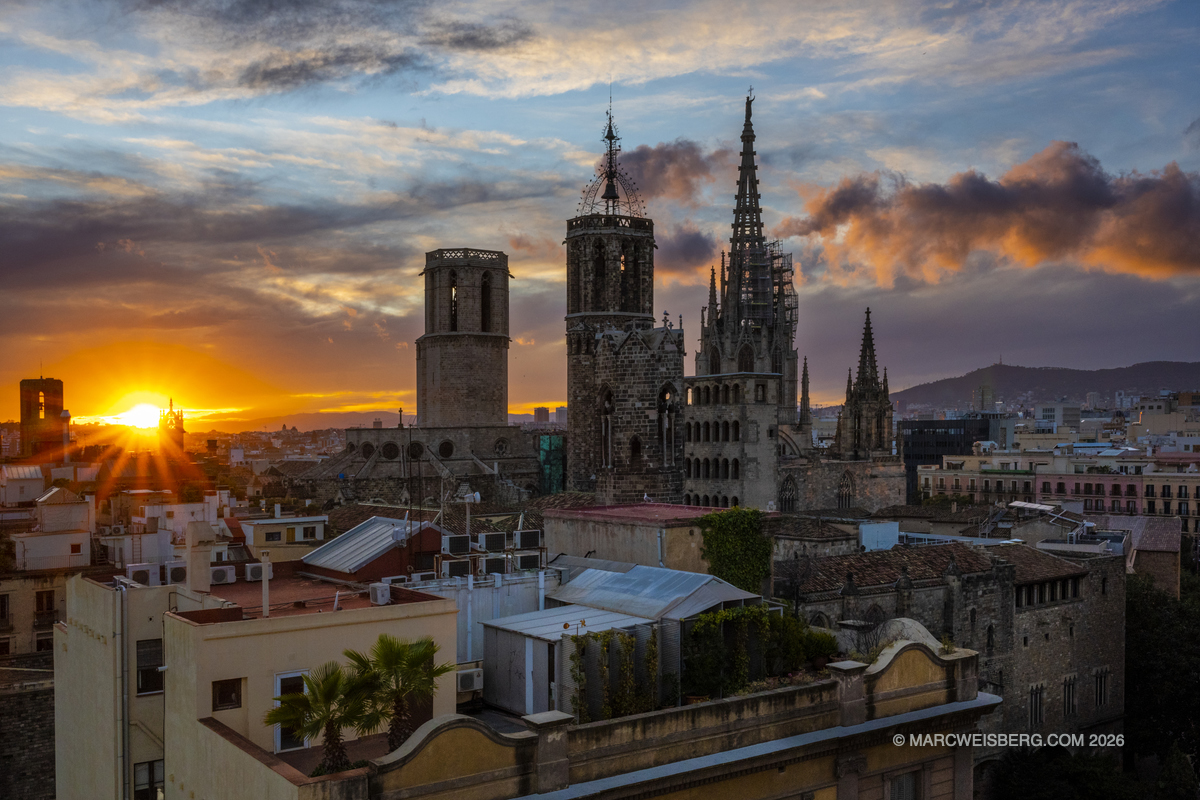
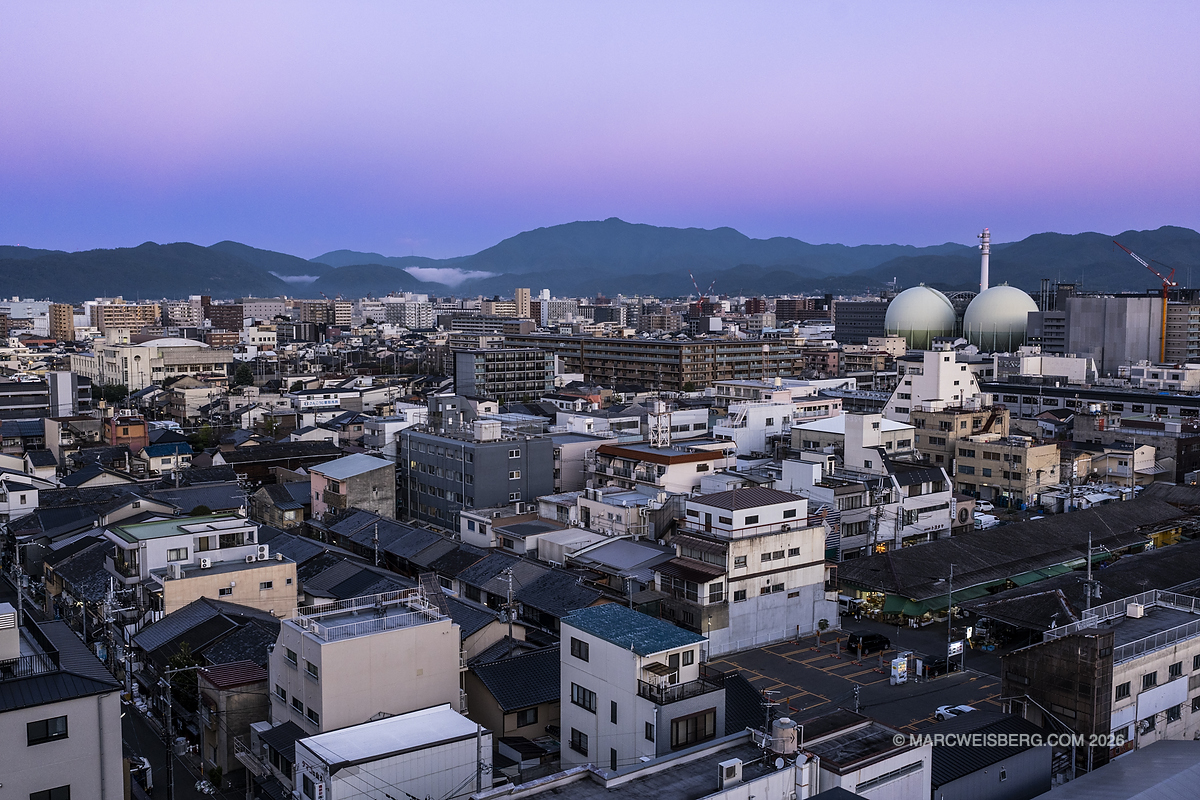
The SL2-S has five stops of built in image stabilization. This is not a marketing number. This is what allows me to photograph at about a quarter of a second handheld and still get tack sharp images. I have used this camera at 10,000 ISO with very clean images, as long as they are exposed correctly. That combination of image stabilization and clean high ISO performance means I can work in extremely low light that would have been impossible with the Typ 601. The autofocus is dramatically improved, not only a massive jump from the original SL but also continuously refined through firmware updates.
The SL2-S carries forward what pulled me toward Leica mirrorless in the first place. It shoots native autofocus lenses from Leica, Panasonic, and Sigma (I own a bunch of the L glass from Sigma), and it also accepts adapted manual focus M glass, legacy and modern on the same body with Leica’s L-M Adapter and variations made by other companies. That flexibility means I can move between systems depending on what a scene actually calls for, rather than being locked into one way of working. All this give me great flexibility when reaching for the right lens for the right shot.
The build quality is robust. Along with the price tag comes a build in a very small form factor that is made to last. I can easily see these SL bodies lasting ten to fifteen years and producing consistent results as long as they are taken care of and treated with respect. It feels like it was made to survive whatever a real job throws at it, weather, long days, being packed and unpacked constantly on location. The controls are intuitive. Nothing feels cheap or like a compromise.

What got improved from the Typ 601 to the SL2-S
The SL2-S is a dramatic improvement over the original Typ 601. The sensor jumps from ISO 50000 to ISO 100000, with a newly developed backside illuminated sensor built for stronger low light performance. The original SL had no in body image stabilization. The SL2-S carries five axis IBIS with roughly 5.5 stops of compensation. Burst rate went from slow and deliberate to 9 frames per second with the mechanical shutter and 25 frames per second with the electronic shutter, both at full resolution. The button layout shifted from four large unlabeled buttons to a three button layout with a rear joystick and two front custom buttons, with more customization overall. USB switched from Type B to Type C. Both SD card slots now run at UHS II speed instead of just one. One thing got worse: Leica dropped the built in GPS module that the original SL had, so geotagging on the SL2-S now depends on pairing with the Leica FOTOS app on your phone. And since Leica is selling the SL3 and the SL3-P, and the SL2-S is retired, the good news is that you can purchase the SL2-S body on the pre owned market for $2500. For everything this camera delivers, that is a steal.
Why I Own this Camera
The real story is this. It is an actual joy to use this camera every time I pick it up and put it in my hands. The handling is perfect. The weight is perfect. The feedback is perfect. The electronic viewfinder is genuinely amazing, bright and sharp enough that looking through it feels like watching a television screen. The menu system is straightforward and universal, only five pages instead of hunting through sixty. Focus peaking is built in. Six custom profiles let me set up different configurations for different work. The controls are intuitive. Nothing feels cheap or like a compromise.
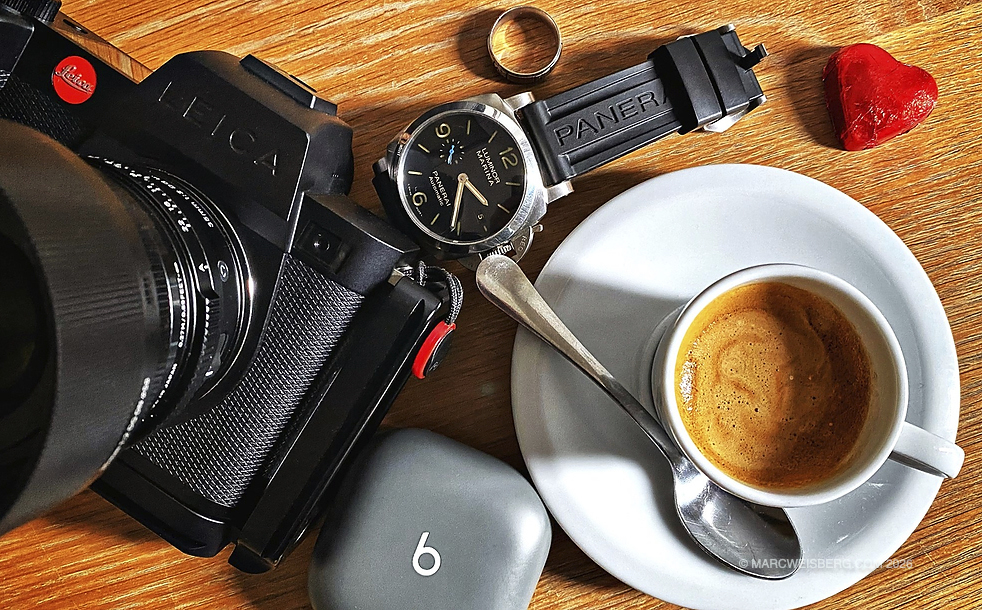
The SL2-S carries forward what pulled me toward Leica mirrorless in the first place. It shoots native autofocus lenses from Leica, Panasonic, and Sigma, and accepts manual focusing M glass, offering the ability to use legacy and modern, manual and autofocus lenses, on the same body. That flexibility means I can move between lens mounts depending on what a scene actually calls for. The build quality is robust, almost tank like, made to easily last ten to fifteen years and survive whatever a real job throws at it. When you hold it, you feel the engineering. I know plenty of people who have never tried Leica but know the price point say they would never pay five to six thousand dollars for just a camera body. That’s what it cost when it was new. And the fact is that everything with the Leica logo on it is stupid expensive. Here is the thing though. Leica has been manufacturing cameras for a hundred years. Nikon, Canon, and Sony cannot say that. Every body and lens is beautifully engineered, closer to a piece of art than a tool. And when you hold one, you feel it.
So yes, I own two because a professional always needs a backup. But the reason it is the SL2-S specifically, and not just any second body, comes down to all of this together, the finder, the autofocus, the menu, the card slots, the hybrid mount, the image stabilization, the robust build, and the fact that it is a genuine pleasure to shoot with. It earns its place. ●