A Dollar a Photograph
I’ve been to Paris many times. But before I get into that story, I need to tell you about a morning in Cuba.
This was over twenty five years ago. I was traveling with my good friend, Paulina, who is also a photographer, and we got there a strange way, through Stockholm, in the dead of winter. I’d been visiting her there, and she was jonesing for some warmer weather, so off we went, with a long layover in Italy along the way. We both got badly sick on that trip, Paulina from the airplane food, me from some bad seafood in Havana. I honestly thought I was going to die. That’s another story entirely.
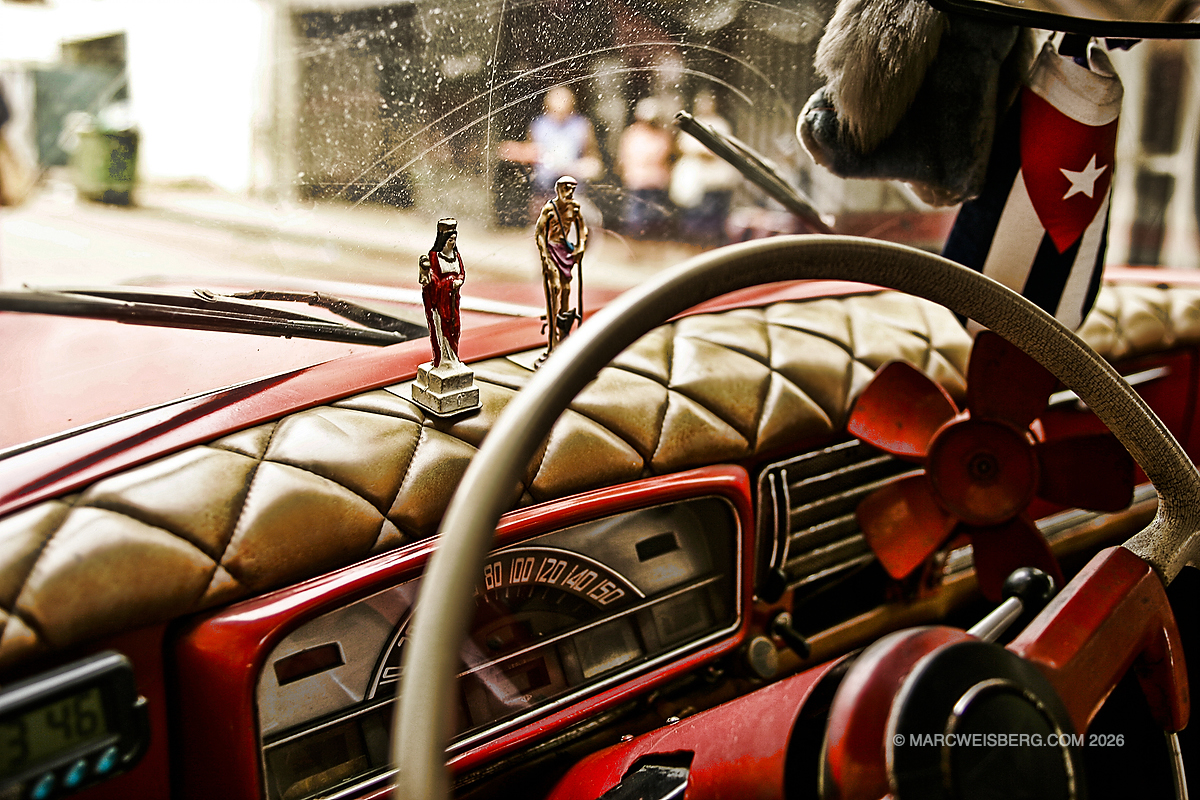
Back then I was shooting Canon. Two DSLRs slung over my shoulders, one with a 70-200mm, the other with a 24-70mm. Carrying that much gear all day was nothing to me at the time. I was much younger. All told, that was somewhere close to fifteen pounds of metal and glass hanging off my neck, and I never gave it a second thought. I wore it all day, every day, the entire trip. I was young enough that fifteen pounds just disappeared into the day.
You learn things about the world when you travel young that stay with you long after the trip ends. One morning stands out more than any other. I was standing on the steps of the Capitol building in Havana, having my portrait taken. Ten thousand dollars of gear hanging off my shoulders. The man taking my picture was working with a view camera built from an old pine box, painted light blue, fitted with a lens that was over a hundred years old. The leg of a worn pair of jeans served as his dark cloth for focusing. He was shooting onto Italian negative paper, the kind that skipped the need for a full chemical darkroom. To make a positive print, he had to rephotograph his own negative a second time. He was making portraits for tourists on those same steps every single day for a buck a piece.
I’ve never forgotten that morning. A dollar a photograph, made on a box built from old pine and glass a hundred years old. Ten thousand dollars of gear hanging off my shoulders like it weighed nothing at all. In my head I quickly calculated my gear alone was about 15-20 yrs. of income for him. He didn’t have a screen to check his work, or a card that held a thousand exposures instead of one. He had a single sheet of paper, one chance, and steady hands for a guy that was likely in his mid 60’s. Twenty some years later, I notice every single pound I carry now. I plan around it. I choose gear because of it. Back then I didn’t think I was strong. But i knew I had incredible endurance and stamina. And the weight was invisible to me the way only youth can make a weight invisible.
The Stranger on the Street, on rue Montorgueil, Paris
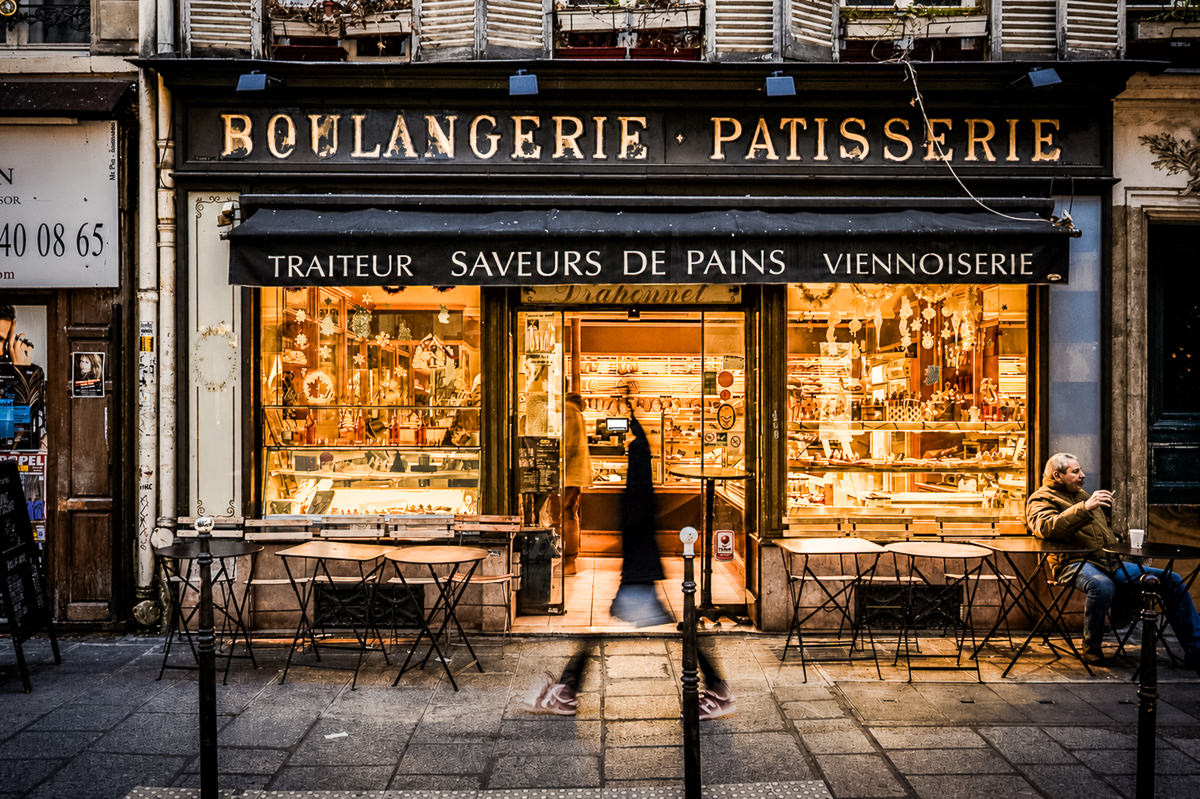
Now let me get back to the Paris story. It was early sometime before noon. I’ve always thought it was in Le Marais but it was rue Montorgueil in the 2nd arrondissement of Paris. Funny how your brian plays tricks on you. And it was still quiet in that particular way a city is quiet before it decides to become itself for the day, shutters half up, the smell of fresh butter and fresh croissants perfumed the air, and the light doing that Parisian light thing. I stopped for coffee and grabbed a seat at one of the outdoor tables barely big enough for my coffee cup and a pastry. And then went walking and looking for photography inspiration…and in Paris that like at every single corner.
That’s when I saw him. An older man, walking the same street, paused near the curb, and he had a small camera in his had and a small tan leather shoulder bag. He lifted the flap, stuck his hand in and pulled out a tiny lens that fit in the palm of his hand. He was quietly switching lenses. No massive lenses or gargantuan camera body, no fuss, no production. He made the photograph in the time it took me to notice he was making it, then kept walking, slowly and gracefully.
I didn’t know what the camera was right away. But figured out it was a Leica. I remember just watching him, quietly and unobtrusively and almost invisible taking a frame or two, kind of hiding in the shade of a lamp post, capturing a street scene. And then there was me with a big bulky camera, telegraphing, hey I’m a photographer, from a block away. I needed a big backpack to handle my lenses and extra body. I used to sling that over one shoulder. And dude, I was heavy. He was carrying a single M camera and a couple of lenses. This was right around the time that Leica came out with their first digital M the M8. I never spoke to him. Was he a German tourist? Maybe. My biggest take-away was that one day I’d own a set up like his. Something small and light weight, unobtrusive. A system that helps me just blend in to the background.
The Long Way Around
I want to tell you I bought one on the way home. I didn’t. Life did what life does. There was a restaurant kitchen I was still finding my way out of, then a photography business to build from nothing, then fifteen years of weddings and towers and boardrooms and the particular grind of proving yourself to clients who don’t care what’s in your bag as long as the shot is right. The Canon stayed. It paid the bills. Then sold all my Canon gear and switched over to the Sony mirrorless system and was offered a Sony Artisan position. The memory of that man on that street stayed too, quietly, the way the right memories do, just hangin out in the corner of my mind.
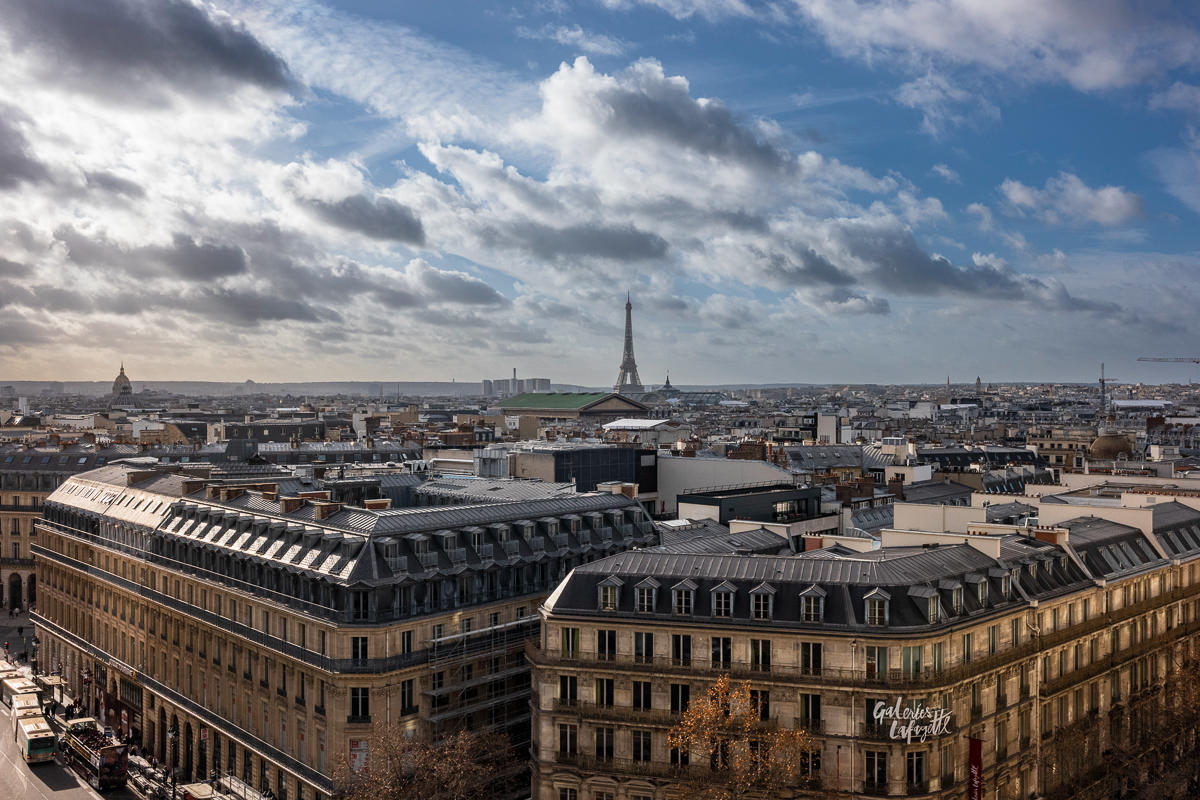
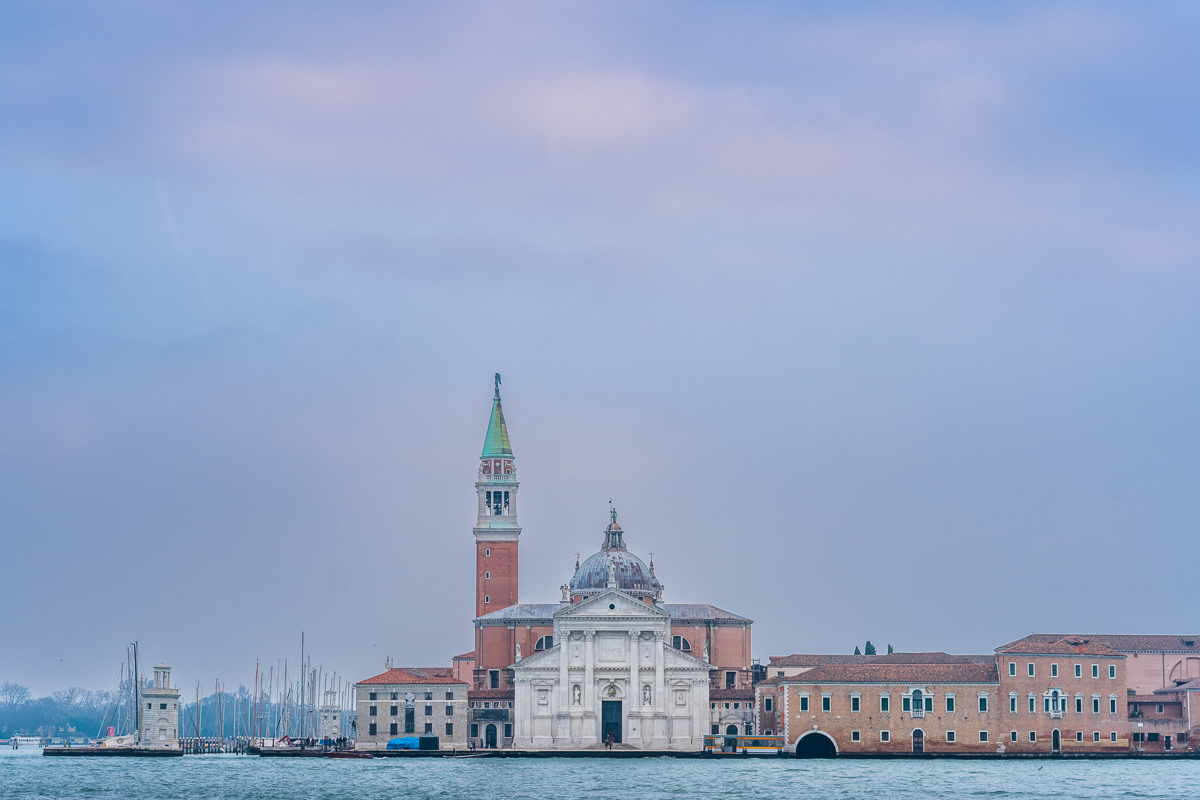
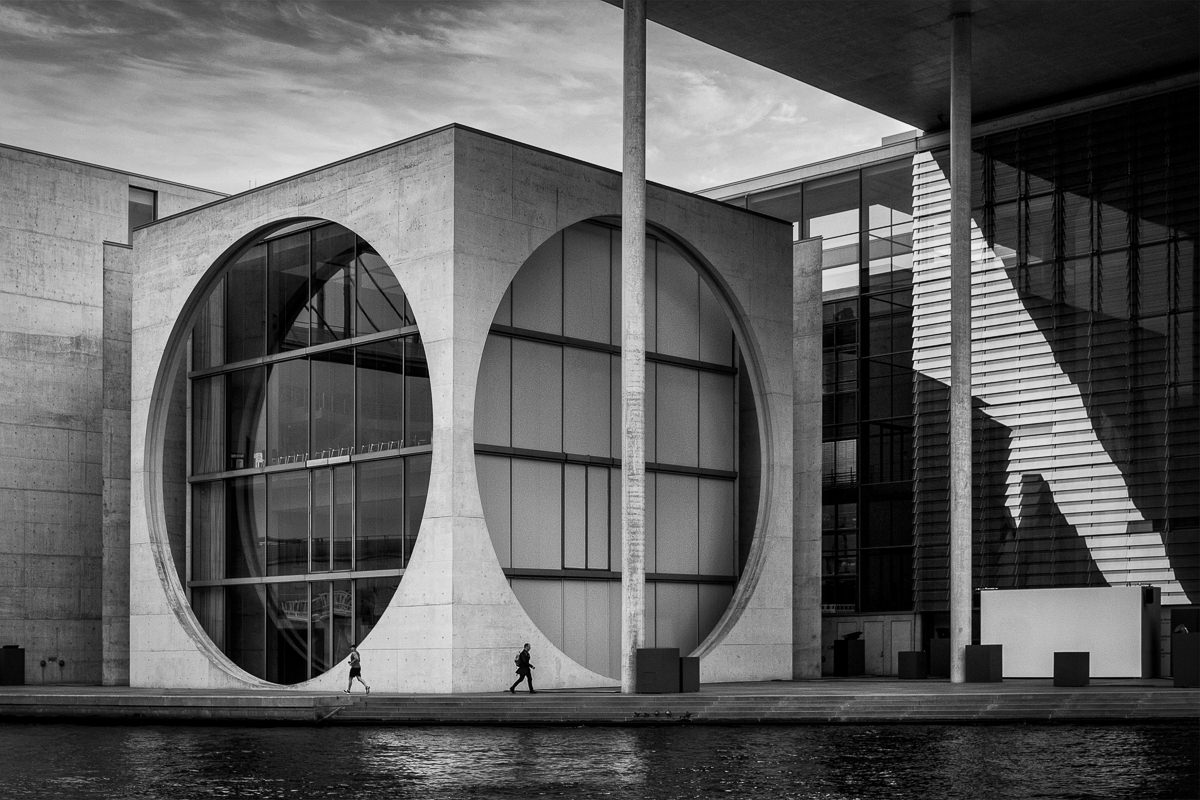
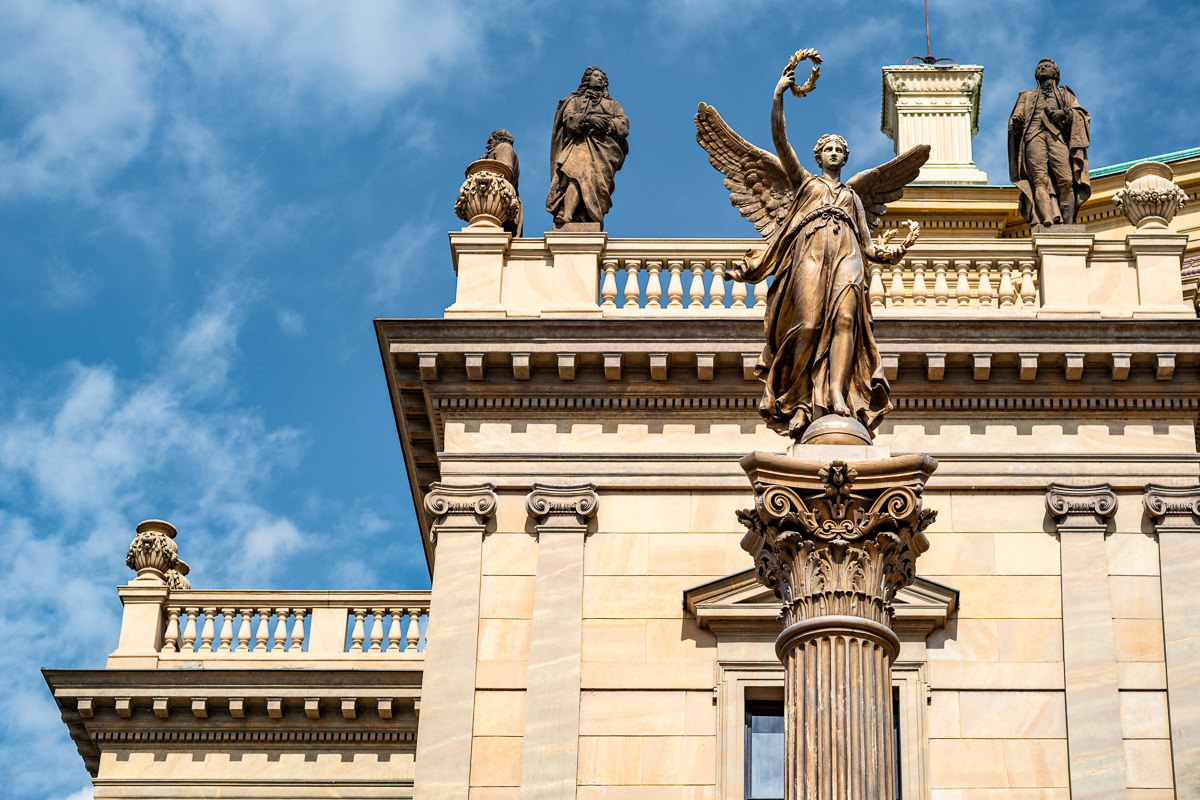
When I finally came to Leica, it wasn’t for my work at all. It was for the freedom. I wanted the thing that man had, a small, light kit I could carry anywhere and point at anything, food, a face, a doorway, a whole city, without it being a production. I started with the SL, the Type 601, their first mirrorless body, and a single 1.4/35mm Zeiss ZM lens, 2.0/50mm Zeiss ZM and the now out-of-production 4.0/85mm Zeiss ZM. I took it to Prague and Berlin, in 2019, and shot with it every single day for three weeks. That trip is where it stopped being a camera I owned and became the way I wanted to see the world with.
The Small Camera Won
After that it just kept unfolding. When the SL2-S came out I bought one, then a second as a backup twin, and a few autofocus lenses to go with them, and I carried that setup through Paris and Barcelona and Lisbon. Somewhere in there, almost without deciding to, I started bringing them to my paid gigs. The travel camera had quietly walked into the professional work. Then came the M11, and shortly after the M11 Monochrom, and a handful of Leica M lenses and my secret weapon Voigtlander glass (that I’ll talk about in another post), and those went to Mexico City and Oaxaca, and then to Japan and Seoul this past year. I look back at that path now and see it plainly. Nobody buys that deep, that deliberately, over that many years and that many trips, unless the system has genuinely won them over.
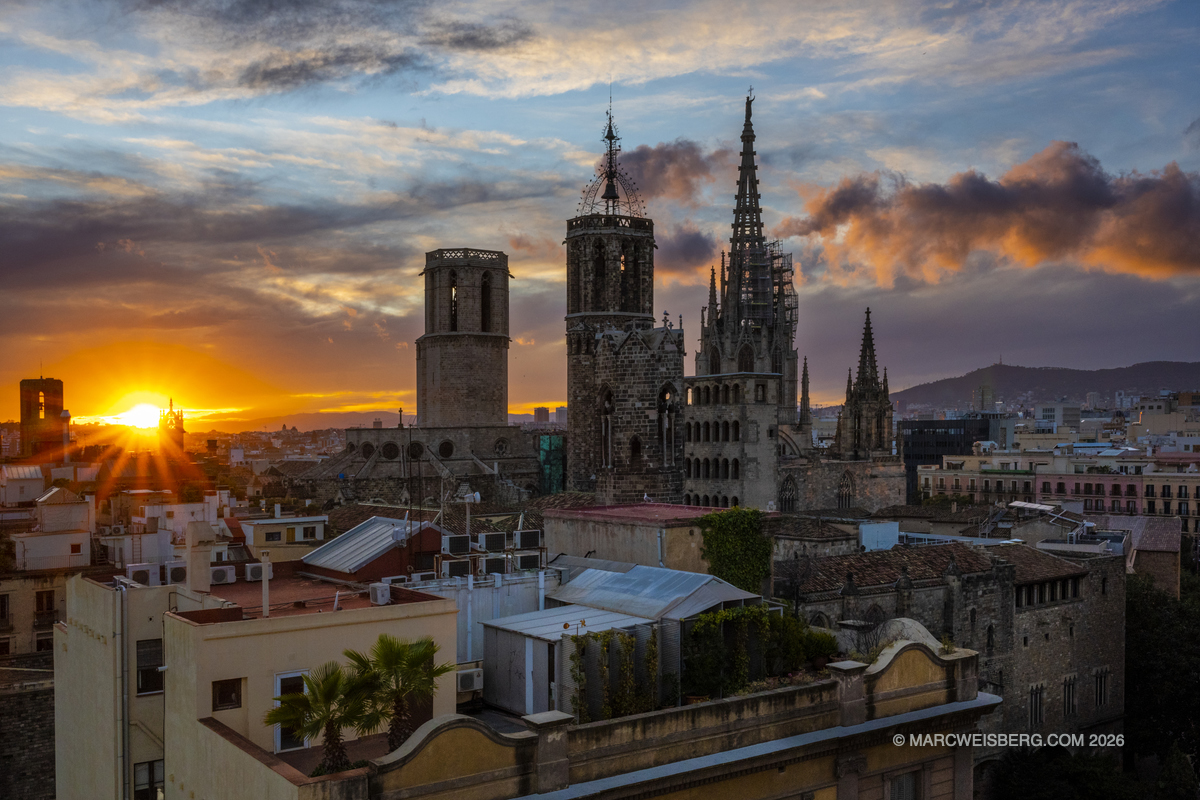
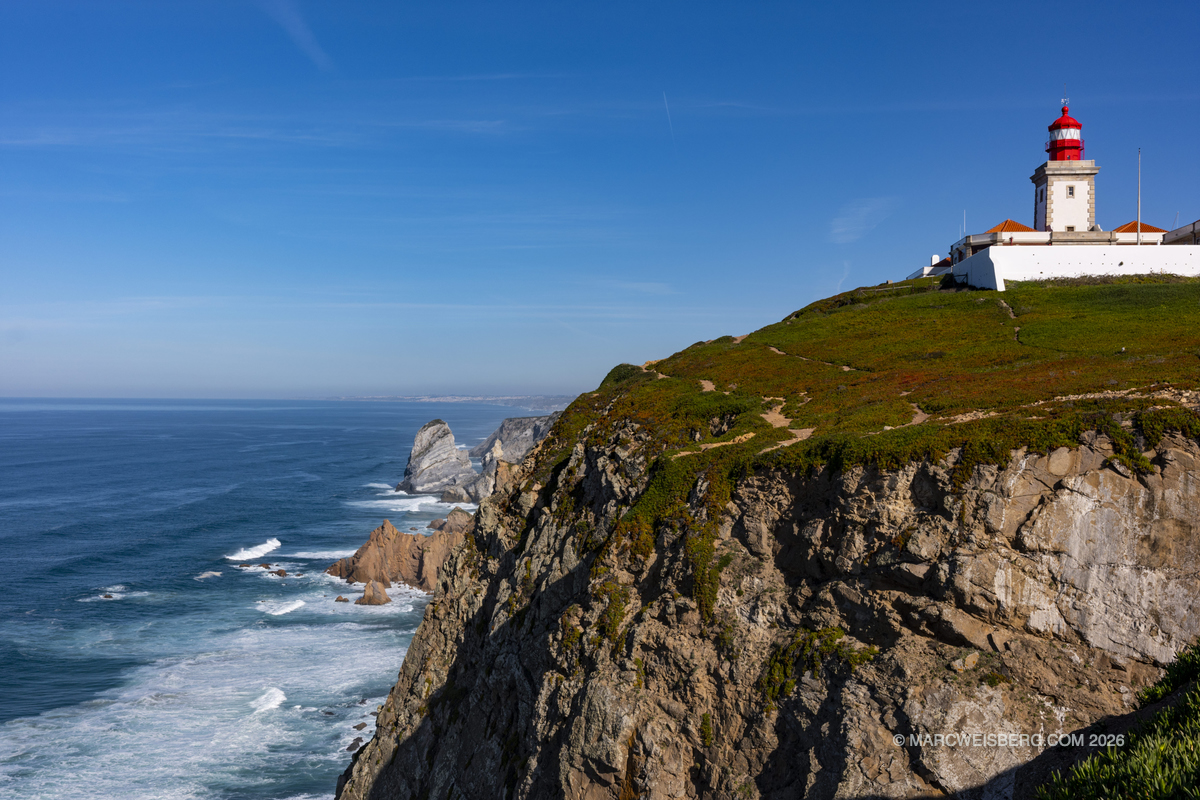
Somewhere along that path, maybe a year or two in, I had the thought that changed everything. This wasn’t just the perfect travel camera. This was the perfect camera for all of it, the personal wandering and the professional work both, the food and the faces and the buildings I’d spent a career photographing with far heavier gear. The thing that felt almost too simple that morning in the Marais turned out to be the most complete tool I’d ever worked with. The small camera won.
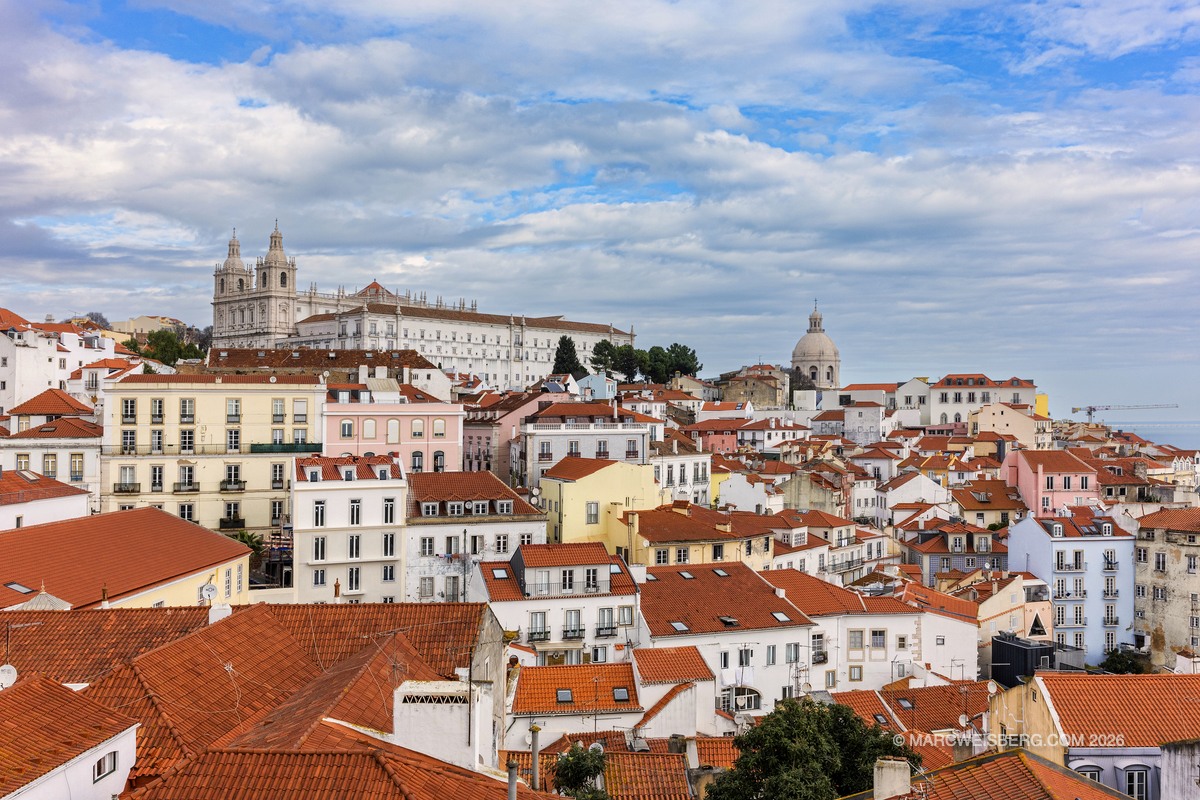
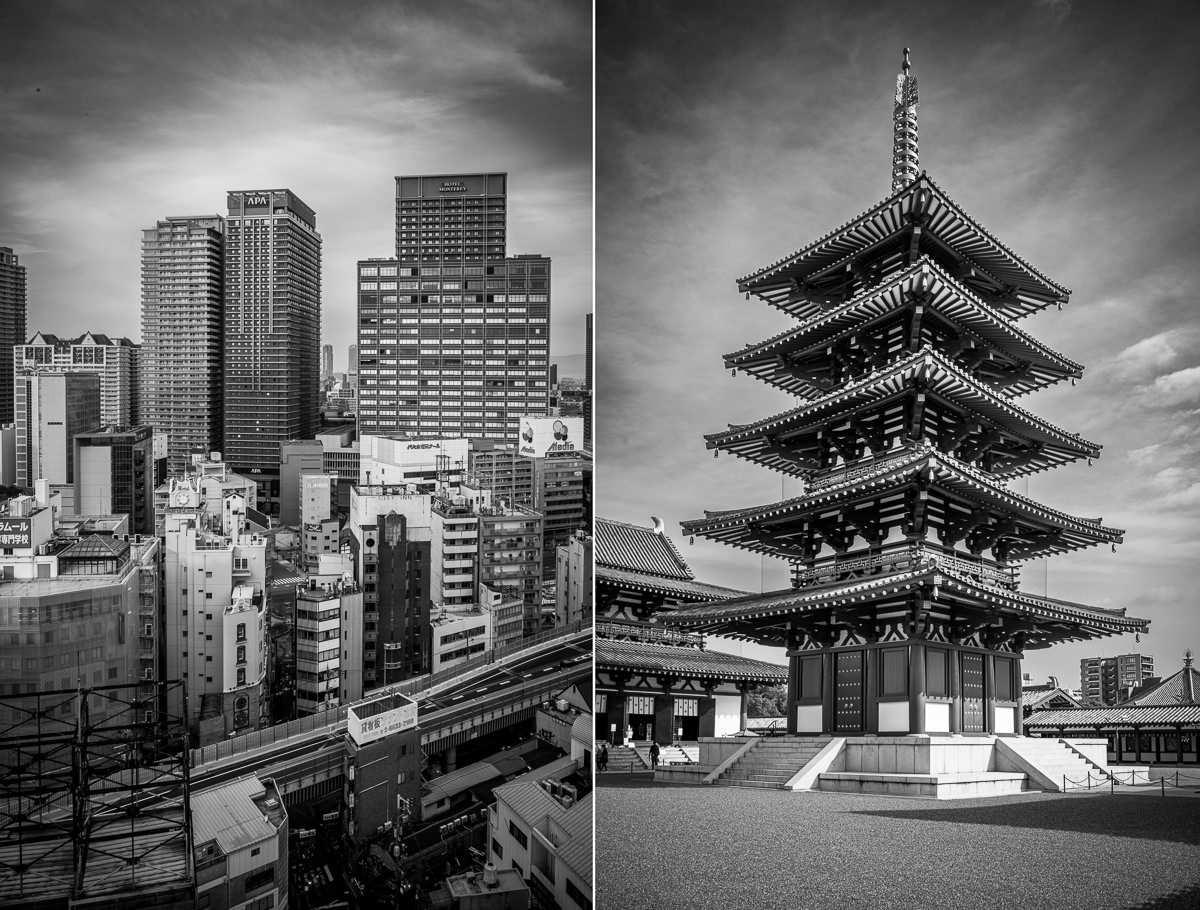
What Changed
And something I hadn’t expected came with it. I didn’t get faster. I got quieter. The camera stopped being something I had to manage and became something I could forget I was holding, which is, I think, the entire point of the man in the Marais. He wasn’t hiding his camera. He’d just stopped needing it to be seen.
I still think about that street some mornings when I’m setting up a shot. Not because it was dramatic. It wasn’t. Nothing happened, technically. A stranger took a photograph and kept walking. But it planted something that took fifteen to twenty years to grow into an actual choice, and a few more to reveal itself as the way I now work on everything I do.
This is the first story. There will be more, and some of them will get specific, the exact setups I reach for depending on whether I’m photographing architecture, an interior, food & wine, creating portraits (natural light or strobe), shooting an event or shooting street. Some times all talk about the why and the how.
But it all started in Paris, on a quiet street, with a camera that fit in one hand and a lesson that took years to land. ●